Boil Water Advisory for U.S. Homes: Act Now, Check Your Utility
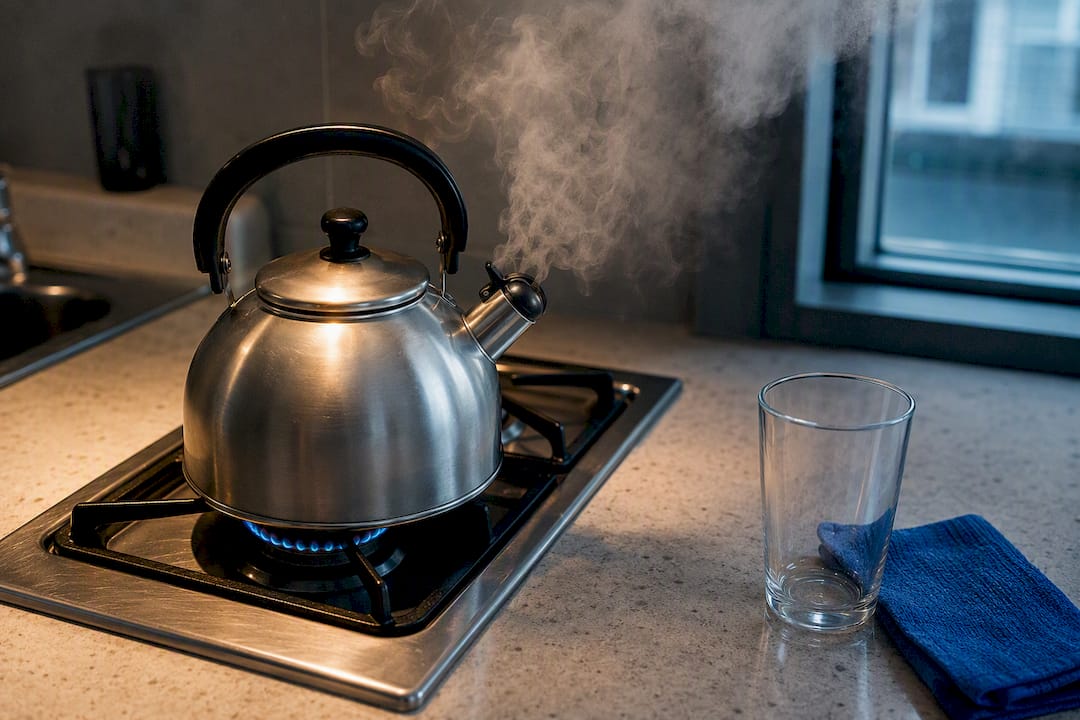
A boil water advisory means your local utility or health department wants you to boil tap water, or switch to bottled water, before drinking it, cooking with it, or brushing your teeth. Bring water to a rolling boil for 1 minute (3 minutes if you’re above 6,500 feet), then let it cool before use. Most advisories are precautionary, issued to close a safety gap before lab tests confirm the water is clean.
TL;DR:
- Most boil water advisories are issued after mechanical failures or environmental events, not confirmed contamination, based on potential pathogen entry points.
- During advisories, it is safe to shower and do laundry, but drinking, cooking, and tooth brushing require boiled or bottled water, especially for infants and vulnerable populations.
- Boiled water must reach a full rolling boil for one minute (or three minutes above 6,500 feet) to effectively eliminate pathogens, with proper storage in clean, covered containers.
- Advisories typically last at least one to two days, pending two consecutive lab results confirming the absence of bacteria, after which tap water use resume normally.
- Regularly check your water system’s contaminant history and advisory boundaries through official sources and utility records to prepare for potential future events.
Table of Contents
- Who Issues Boil Water Advisories and Why
- What to Do During a Boil Water Advisory, Task by Task
- How to Boil Water Correctly Without Getting Burned
- How Long Advisories Last and What “Lifted” Actually Means
- Advisory, Notice, or Order: Does the Label Actually Matter?
- How to Check Whether an Advisory Affects Your Address
- An Editorial Note on Staying Ahead of the Next Advisory
- Check Your Water Supplier’s Record Before the Next Alert
- Sources
Who Issues Boil Water Advisories and Why
Your water utility usually issues the advisory first, often alongside your city or county health department. In bigger contamination events, a state health agency gets involved too. None of them issue these lightly. They’re reacting to a specific mechanical or environmental failure that opens the door for pathogens to slip into the pipes.
The most common triggers include:
- A water main break that lets outside water or soil seep into the system
- A drop in system pressure below a certain threshold, which can pull contaminants backward into pipes
- Loss of disinfectant (chlorine) during treatment
- Power outages that knock out pumps or treatment equipment
- Severe storms, floods, or confirmed contamination reports
Here’s the part people miss: an advisory doesn’t mean the water tested positive for anything. The Louisiana Department of Health notes that a BWA often gets issued the moment an event could have let pathogens in, before any sample results come back. Utilities would rather warn you early than wait for lab confirmation that takes days.
What to Do During a Boil Water Advisory, Task by Task
The advisory covers more of your day than you’d think, but not everything. Here’s how to handle the situations that actually come up.
- Drinking and cooking. Use water you’ve boiled and cooled, or switch to bottled water for anything that goes in your mouth, including soup, coffee, and ice cube trays.
- Infant formula. Boil the water first, then follow your formula’s mixing directions once it’s cooled to a safe temperature. If you’re unsure, bottled water is the simpler route.
- Brushing teeth. Rinse with boiled or bottled water instead of straight from the tap, and try not to swallow any.
- Washing dishes. A dishwasher with a hot/sanitizing cycle is fine. Hand washing works too, but finish with a brief soak in water with a capful of unscented bleach if your utility recommends it, or rinse in boiled water.
- Ice. Toss what’s in the freezer and turn off your fridge’s automatic ice maker until the advisory lifts, since it draws directly from your water line.
- Showering and bathing. Generally fine for adults. Just avoid swallowing water, and keep a close eye on toddlers and infants during bath time.
- Laundry. Safe to run as usual. Water this dirty doesn’t get anywhere near your skin the way drinking water does.
- Pets. Their water bowl should get the same boiled or bottled treatment as yours. Watch that they don’t sneak a drink from a filled bathtub.
Handwashing is one place you don’t need to overthink it. Regular tap water with soap, followed by thorough drying, is considered safe during most advisories, since the drying step matters more than the water source itself.
Pro Tip: Don’t rely on your fridge’s built-in filter or a standard pitcher filter to solve this, as most home filters aren’t certified to remove bacteria or viruses; see more details at Svenskt Vattenfilter. Most home filters aren’t certified to remove bacteria or viruses, so boiling or bottled water is still the safer call even if your tap has a filter attached.
How to Boil Water Correctly Without Getting Burned
The instructions sound simple, but the details matter. Bring water to a full rolling boil, not just a simmer, and hold it there for 1 minute. If you live above 6,500 feet, extend that to 3 minutes, since water boils at a lower temperature at altitude and needs more time to kill off pathogens.
Boil water in batches ahead of time instead of scrambling for a cup when you’re thirsty. That habit alone prevents most of the burns people get during advisories, according to guidance from New York State health officials, who point to last-minute boiling as the top cause of scald injuries during these events.
- Let boiled water cool with the lid on, not open to the air where dust or bugs can get in
- Store it in clean, covered containers, glass jars or food-grade pitchers work well
- Label containers with the date if you’re storing more than a day’s supply
- Keep pots of hot water away from counter edges when kids are in the kitchen
How Long Advisories Last and What “Lifted” Actually Means
Most advisories run at least a day or two, but the duration depends on lab testing and repairs. The real clock depends on lab work, not just repairs.
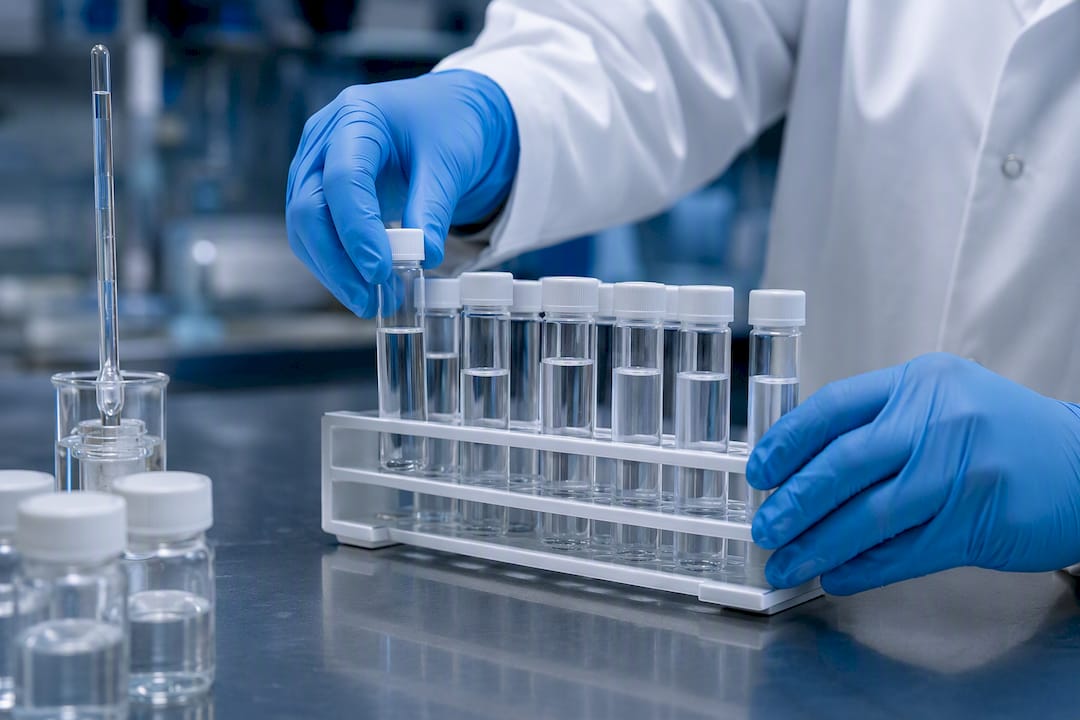
Utilities typically need two consecutive clear bacteriological samples before they’ll declare the system safe again. That means even after a broken main gets fixed and pressure returns to normal, you’re often still boiling water for another day or two while samples get collected, sent to a lab, and confirmed clean.
“Lifted” means you’ll get an official notice, usually through the same channel that warned you (utility website, local news, a reverse 911 call, or a health department alert). At that point:
- Stop boiling water and resume normal tap use
- Run cold water taps for a few minutes to flush out any stagnant water sitting in your home’s pipes since the advisory started
- Clean automatic ice makers and refrigerator water lines before using them again
- Replace or run water filters per manufacturer instructions if your model recommends it after a boil advisory
Advisory, Notice, or Order: Does the Label Actually Matter?
Not as much as you’d think. States use different terms, and an “order” in one state might carry the same weight as an “advisory” in another. What matters is the instruction attached to it, not the word in the headline.
That said, a “do not drink” order is a different animal from a boil water advisory. Boiling kills bacteria and viruses, but it won’t remove chemical contamination, like a chemical spill or certain industrial contaminants. If your notice says “do not drink” or “do not use,” bottled water is the only safe option, and boiling won’t help.
- Follow the specific instructions given, regardless of what the label calls it
- Check your state health department’s site for its own definitions if you want the exact legal distinction
- When in doubt, treat any water-quality alert as an advisory until you confirm otherwise
How to Check Whether an Advisory Affects Your Address
Advisories are usually hyperlocal. Your neighborhood could be under one while a town ten minutes away isn’t. Start with your utility’s website or customer service line, since they issue the alert and know the exact boundaries. Your county or city health department’s site is the next stop, followed by your state health agency for larger events, and FEMA’s public health advisory pages during disaster-scale incidents.
Beyond the active advisory itself, it helps to know your supplier’s track record. Tapwaterindex lets you search by city, ZIP code, or utility name to see EPA monitoring data and recent sampling results, so you can spot whether your water system has a history of pressure issues or contaminant flags before the next event hits.
When you call your utility, ask three things: what area is affected, when they expect lab results back, and whether the trigger was mechanical (a pressure drop or main break) or a confirmed contamination finding. The answer changes how cautious you should be.
- Utility customer service line (fastest source for your specific address)
- County or city health department alerts
- State health department drinking water division
- Tapwaterindex for background on your supplier’s contaminant history
An Editorial Note on Staying Ahead of the Next Advisory
Most households only think about boil water advisories once one is already underway, which is exactly backward. Boil a batch of water before you’re desperate for it, and think first about who in your home is most vulnerable, an infant, an elderly parent, someone immunocompromised. Sign up for your utility’s alert system now, not during the next emergency, and keep a reliable source like Tapwaterindex bookmarked so you’re not googling in a panic.
— Sergey
Check Your Water Supplier’s Record Before the Next Alert
Boiling water gets you through an advisory, but it doesn’t tell you what’s normally in your tap water once the all clear comes through. Tapwaterindex pulls directly from EPA monitoring data to show you contaminant levels, PFAS findings, and lead risks for your specific utility, not a generic national average.
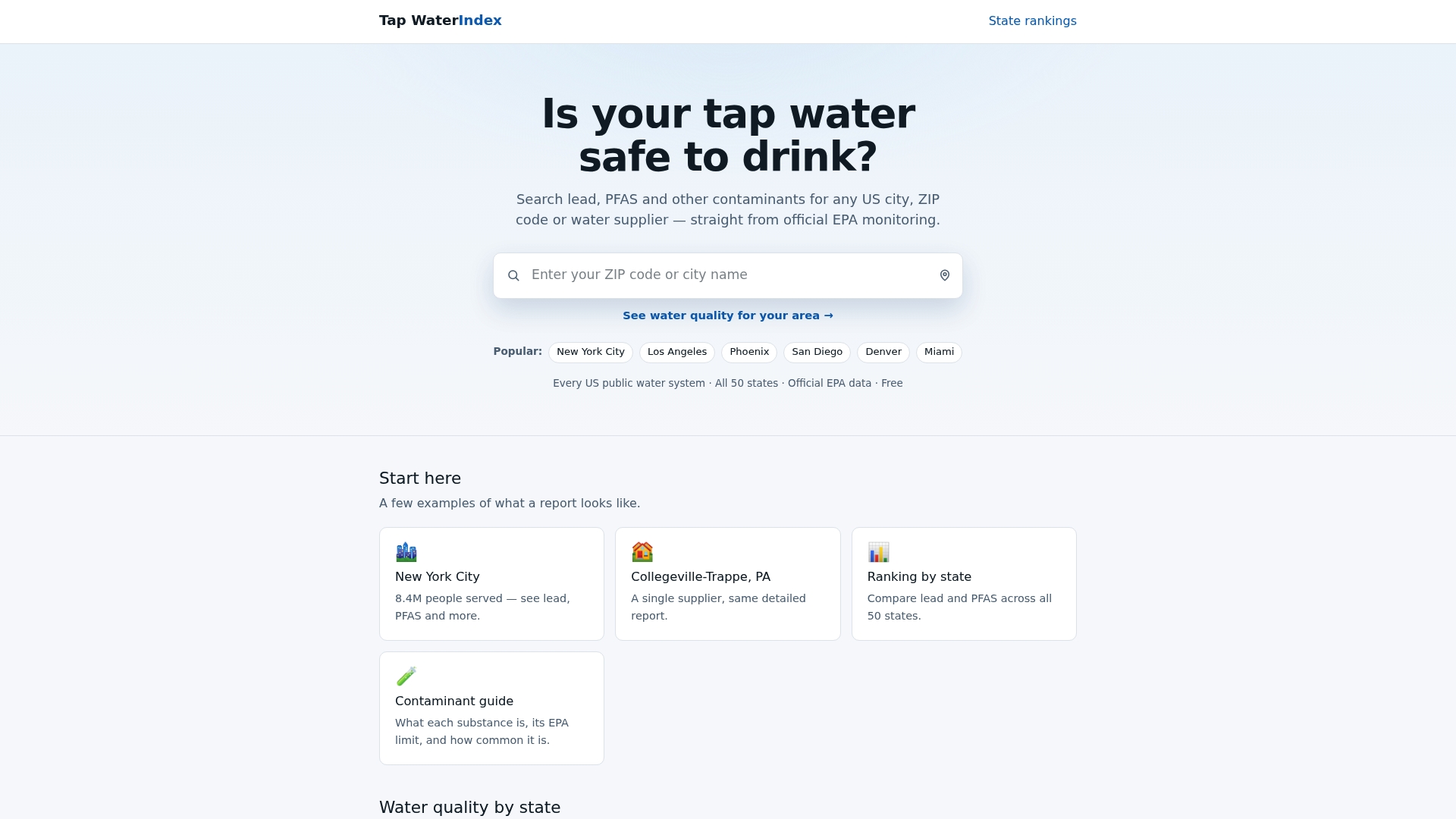
Search your city, ZIP code, or water supplier on the state-by-state rankings page to see how your system compares to others nearby, including whether it has a pattern of pressure problems or contaminant violations that might explain why advisories keep popping up in your area. If you’re specifically worried about chemical contamination that boiling can’t fix, the contaminants reference guide breaks down EPA limits and how common each substance actually is. Look up your supplier today and see what’s actually in your water between advisories.
This article is general information, not a substitute for advice from a qualified doctor. Consult a qualified healthcare professional about your own circumstances before acting on anything here.
Sources
- CDC boil water advisory guidance
- Louisiana Department of Health: Boil Water Advisory
- New York State Boil Water Notices — information for consumers
- New Orleans Ready: Boil water advice and actions