Boil Water Advisory: 1 Minute Boil for U.S. Homes, Check Your Utility
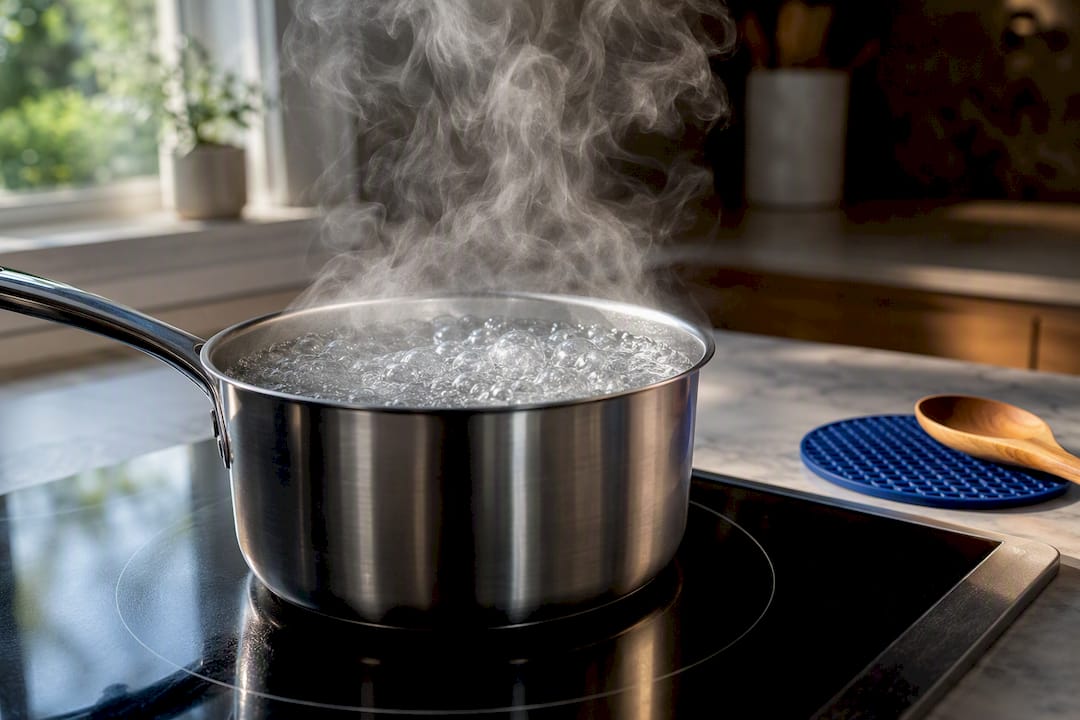
If a boil water advisory is in effect for your water supply, do not drink unboiled tap water. Use bottled water, or bring tap water to a full rolling boil for 1 minute (3 minutes above 6,500 feet), as the CDC recommends. The advisory means officials suspect the water could carry bacteria, viruses, or parasites, and boiling is the fastest way to make it safe again.
TL;DR:
- Bottled water is the safest option during a boil water advisory, but if unavailable, tap water must be boiled for one minute, or three minutes above 6,500 feet.
- Do not use untreated tap water for infants, immunocompromised individuals, or for making ice; all contaminated ice must be discarded.
- Showering and household tasks are generally safe if water is not swallowed, but infants, elderly, and vulnerable populations should avoid direct contact with tap water.
- Water utility tests typically take over 18 hours, and two consecutive clear samples are usually needed before lifting the advisory; household flushing is recommended after it ends.
- Confirm advisory status through official utility or health department channels rather than relying solely on past contaminant reports or secondary sources.
Table of Contents
- What to do during a boil water advisory: drinking, cooking, and ice
- Can you shower during a boil advisory? Hygiene and household tasks
- How to boil, cool, store, and safely use boiled water
- When does a boil water advisory end, and what should you do after?
- How do you check if a boil water advisory is active in your area?
- Publisher perspective: how Tapwaterindex data fits into advisory season
- A calm, practical priority list from our editorial team
- Check your supplier’s water quality history with Tapwaterindex
- Sources
What to do during a boil water advisory: drinking, cooking, and ice
Once your utility issues a boil water notice, treat every drop of tap water going into your body as suspect until you’ve treated it. Bottled water is the simplest fix if you have it on hand. If you don’t, boiling is your next best option, and it works reliably against the bacteria and parasites that typically trigger these alerts.
Here’s the order of operations:
- Grab bottled water first for drinking, cooking, and mixing with food, if it’s available.
- Boil tap water to a full rolling boil for 1 minute, or 3 minutes if you live above 6,500 feet in elevation, per CDC guidance.
- Let it cool before using it, and store it in a clean, covered container.
- For infant formula, use ready-to-feed formula that requires no added water, or mix powdered formula with water you’ve already boiled and cooled.
- Dump any ice made before the advisory started, since freezing doesn’t kill pathogens the way boiling does.
- If you have no way to boil or buy water, check with your city or county for emergency water distribution points. Most utilities set these up within hours of a major advisory.
Pro Tip: Keep a case of bottled water and a backup propane or camping stove in your emergency kit. Boil advisories often hit during storms or main breaks, when the power is also out.
Can you shower during a boil advisory? Hygiene and household tasks
Handwashing with plain tap water and soap for 20 seconds is generally fine during a boil water advisory, since the risk comes from swallowing contaminated water, not from having it on your skin. Hand sanitizer works as a backup if soap and water aren’t an option.
- Showering and bathing are usually safe as long as you avoid swallowing water; keep your mouth closed under the spray.
- Infants and immunocompromised people should get sponge baths instead, since they’re more vulnerable to whatever pathogen prompted the advisory, per CDC guidance.
- Dishwashers are safe if they have a sanitizing cycle or a hot final rinse; otherwise wash dishes by hand and soak them in a diluted bleach solution before air drying.
- Laundry runs as normal. Washing machines don’t pose the same ingestion risk.
- Pets need the same precaution as people. Boil or filter their water too.
How to boil, cool, store, and safely use boiled water
Boiling is the single most dependable defense you have during an advisory, more reliable than most kitchen filters, which weren’t built to strain out bacteria or parasites.
- Fill a pot or kettle with tap water and bring it to a full, visible rolling boil.
- Keep it boiling for 1 minute (3 minutes above 6,500 feet elevation).
- Let it cool to room temperature before drinking or transferring it.
- Pour it into clean, covered containers. Glass jars or food-grade pitchers with lids work well.
- Make ice only from water you’ve already boiled and cooled. Toss any ice made from untreated tap water.
Refrigerator filters, pitcher filters, and most under-sink carbon systems aren’t designed to remove microbial contaminants, so don’t rely on them as a substitute for boiling. If your filter’s cartridge has been sitting in contaminated water, plan to replace it once the advisory lifts rather than continuing to run water through it.
When does a boil water advisory end, and what should you do after?
Utilities lift a boil water advisory only after testing shows the water is clean again. That usually means clean bacterial samples (typically coliform testing) alongside adequate disinfectant levels in the system, and sample results alone can take 18 hours or longer to come back. Many agencies want two consecutive rounds of clear samples before they’ll rescind the notice, which is why a straightforward advisory tied to a brief pressure drop might clear in a day, while one tied to a major main break or flooding event can stretch several days.
Once the all-clear comes, your pipes still need attention:
- Run every cold-water tap in your home for several minutes to flush out any lingering contaminated water, especially if you’re on a long service line or in an older apartment building.
- Replace disposable filters (pitcher, refrigerator, under-sink) and run water softeners through a regeneration cycle.
- Clean out and discard any ice made during the advisory, and run automatic ice makers through a few cycles before trusting the output.
Pro Tip: Call your utility if you’re unsure how long to flush. Buildings with older plumbing or dead-end water lines sometimes need longer flush times than the general advisory.
How do you check if a boil water advisory is active in your area?
The most reliable way to confirm advisory status is straight from the source: your water utility’s website or customer alert system. Utilities and state health departments typically push notifications through several channels at once, including phone and email alerts, social media posts, local news, and door hangers, but the official utility or state site is where you confirm it’s real and current.
- Search your state’s drinking water database (often called something like Drinking Water Watch) by city, ZIP code, or public water system ID.
- Check the EPA’s emergency water pages for links to state-level tools if you can’t find your local utility’s site quickly.
- If your water pressure suddenly drops, treat it as a possible advisory situation and call your utility directly. Pressure below roughly 20 psi can let contaminants seep into distribution mains before anyone officially flags it.
- Use Tapwaterindex to review your supplier’s contaminant history and past violations, which gives you useful context, but it isn’t a live advisory feed. Always confirm current status with your utility or state agency.
Publisher perspective: how Tapwaterindex data fits into advisory season
A boil water advisory is a snapshot in time. Tapwaterindex is built for the bigger picture: EPA-based reports on PFAS, lead, and other contaminants, searchable by city, ZIP code, or supplier.
- See whether your supplier has a pattern of violations that make advisories more likely to recur.
- Compare your utility against others in your state to gauge overall water quality.
- Pair this historical view with your utility’s real-time alerts. One tells you what’s typical; the other tells you what’s happening right now.
A calm, practical priority list from our editorial team
Handle it in this order: safe drinking water first, especially for infants and anyone immunocompromised, then dishwashers and ice makers, then general plumbing. Keep a case of bottled water around so a sudden advisory doesn’t catch you empty-handed. And don’t skip the flush-and-replace steps once the advisory lifts. That’s the part most people forget, and it’s where recontamination sneaks back in.
— Sergey
Check your supplier’s water quality history with Tapwaterindex
Boiling gets you through an active advisory, but it won’t tell you whether your water supplier has a track record worth worrying about. Tapwaterindex is the tool for that part. Search by city, ZIP code, or supplier name, and pull up EPA-based reports on PFAS, lead, and dozens of other regulated contaminants, free and without needing to dig through a utility’s annual water quality report yourself.
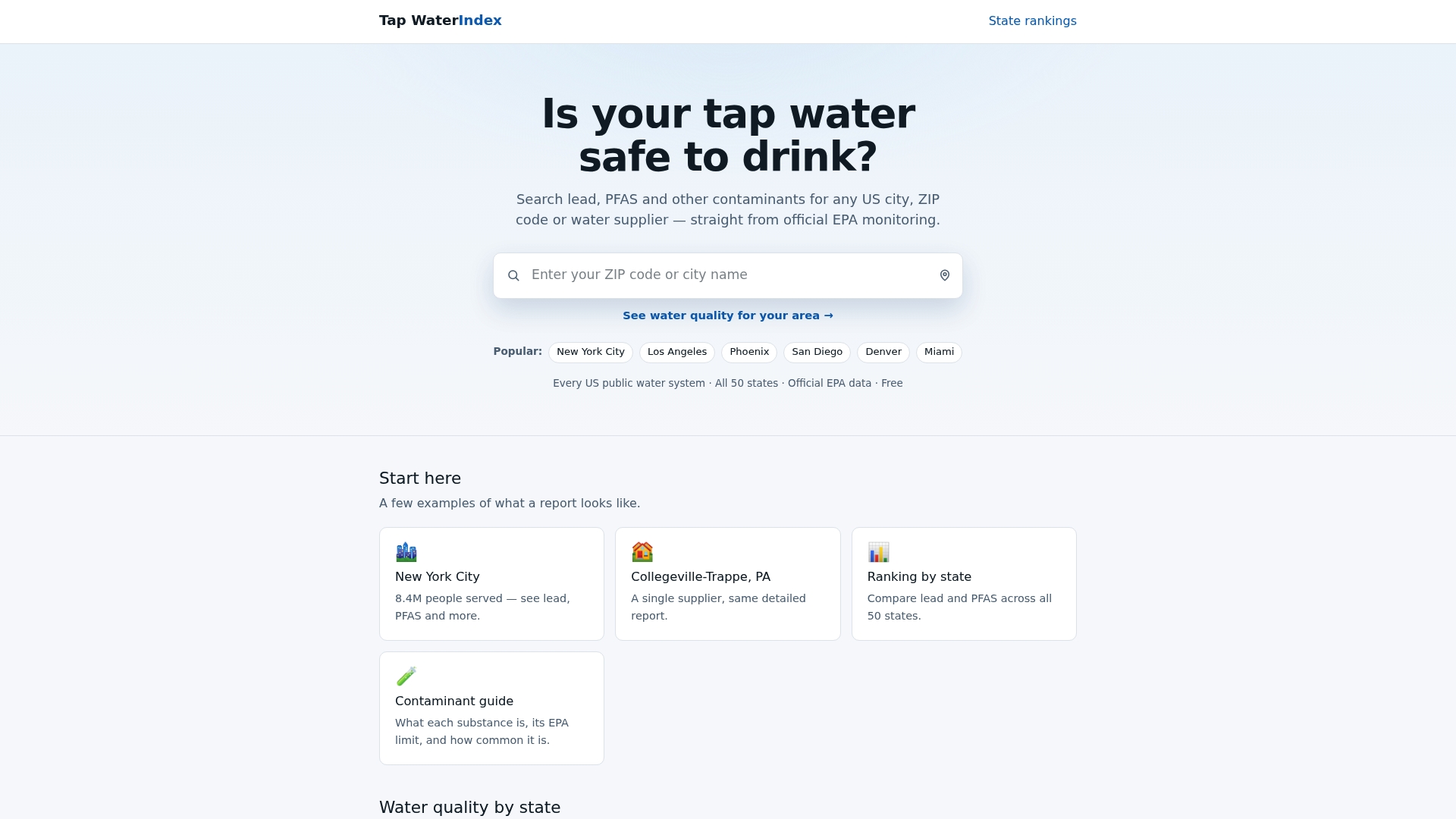
This isn’t a replacement for checking your utility’s live advisory status. It’s the resource you turn to once the advisory lifts and you want to know if this is a one-off event or a pattern. Look up your state’s tap water rankings to see how your supplier compares to others nearby, and decide for yourself whether a home filter upgrade is worth the investment.
Sources
- Preventing Crypto at Home During a Boil Water Advisory | Cryptosporidium (“Crypto”) | CDC
- Boil Water Advisory | Louisiana Department of Health
- Mass
This article is general information, not a substitute for advice from a qualified doctor. Consult a qualified healthcare professional about your own circumstances before acting on anything here.